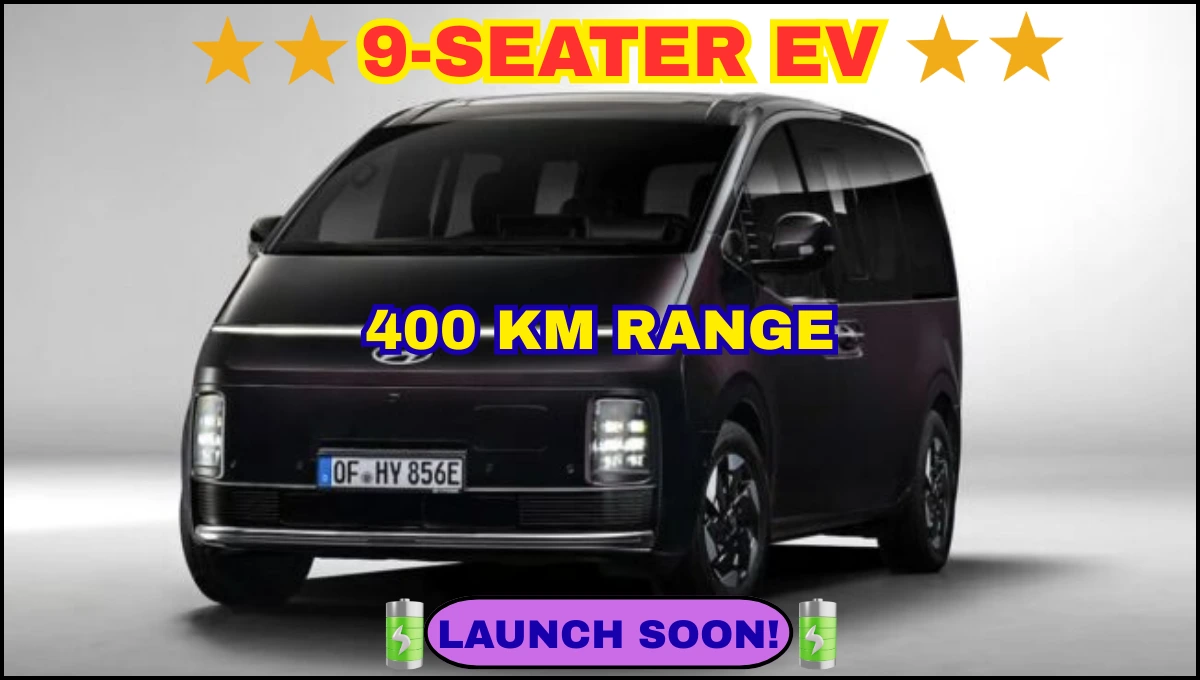
Hyundai launches a 9-seater electric MPV with a 400 km range. It’s perfect for big Indian families, offering modern features at an affordable price.
Hyundai has just unveiled a new 9-seater electric MPV that offers an impressive 400 km range. It’s designed specifically for the busy Indian roads and large families. This vehicle is more than just another EV; it’s a practical solution for daily commutes, school runs, and long trips without emitting any pollution. Drawing from the linked source on Gaadi Waadi, this piece explores its features, pricing, and what it means for the electric vehicle market in India.
Why This 9-Seater EV Fits Indian Needs Perfectly
In India, where family sizes often include 7-9 members, MPVs like the Innova or Ertiga dominate the market, but they all run on petrol or diesel. Hyundai’s new 9-seater electric MPV comes with a 400 km range on a single charge, making it perfect for smaller cities like Nagpur or family outings from Mumbai to Lonavala. Imagine no more fuel stops every 200 km; just charge it overnight at home and go. This is a dream for middle-class dads who are managing budgets and eco-conscious moms who want greener options.
The battery is impressive, with fast-charging that reaches 80% in under an hour at DC stations, which are quickly emerging along NH48 thanks to government support. Safety features include 6 airbags, ADAS Level 2 (adaptive cruise control, lane-keeping) and a sturdy high-strength steel body tested to handle Indian potholes. For hot summers, a dual-zone AC with rear vents keeps everyone comfortable, while the panoramic sunroof provides a premium touch without a hefty price tag.
Powertrain and Range: Real-World Performance Breakdown
At its heart, this Hyundai 9-seater electric MPV uses a 75 kWh battery that delivers a 400 km certified range (ARAI-tested, with a real-world range of 320-350 km when loaded). A single rear-mounted electric motor generates 150 kW power (201 hp) and 350 Nm torque, allowing it to accelerate from 0-100 kmph in 9.5 seconds, which is quick enough for overtaking on the Yamuna Expressway. The top speed is capped at 160 kmph, safe for highways while focused on family comfort.
Regen braking modes (eco, normal, sport) help extend range effectively in Mumbai traffic, and V2L (Vehicle-to-Load) enables you to power a blender during a picnic or charge phones during outages—very useful in rural Maharashtra. With an efficiency of about 15-18 kWh/100 km, this vehicle means running costs of ₹1.5-2 per km, compared to ₹8-10 for diesel alternatives. Hyundai offers an 8-year/1.6 lakh km battery warranty, addressing ownership concerns in our hot, humid climate.
Interior Comfort: Space for the Whole ‘Parivaar’
Step inside and it feels like a mini-lounge on wheels. The 9-Seater Electric MPV layout features captain seats in rows 2 and 3 and a bench in the last row, allowing flexible configurations of 2+2+2+3 or 7 seats. Boot space? 500 liters, which can expand to 2,000 liters by folding down the rows—ideal for Diwali shopping or moving to a new apartment. Leatherette seats, a 10.25-inch touchscreen with Android Auto and Apple CarPlay and wireless charging for all rows add a modern luxury feel.
Voice commands in Hindi through ‘Hi Hyundai‘ make it easy for everyone to use, while a 360-degree camera and blind-spot view monitor assist in navigating tight lanes in Kalamb or Pune chawls. Ambient lighting with 64 color options sets the mood for shaadi drop-offs and powered sliding doors make it easy for elders to get in. Noise insulation is excellent; at 100 kmph, the cabin remains quiet, better than most SUVs.
Pricing and Variants: Value for Money in India
Expected to launch in Q2 2026, the Hyundai 9-seater electric MPV starts at ₹28.5 lakh ex-showroom for the base EX variant, going up to ₹36.5 lakh for the fully equipped SX(O). That’s competitive compared to Tata Safari EV rumors or Mahindra’s upcoming BE 6e, especially since it offers more seats and range. Subsidies under EMPS 2024 could cut ₹2-3 lakh off the price, bringing the on-road cost below ₹30 lakh in Maharashtra.
- EX (Base): 400 km range, alloy wheels, basic infotainment – suitable for budget fleets.
- SX: Sunroof, ventilated seats, ADAS basics – a family favorite.
- SX(O) Top: Premium JBL audio, heads-up display, 400 km range with additional features.
Fewer variants simplify choices, unlike the overcrowded ICE rivals. As for resale value, Hyundai’s EV history (Kona, Ioniq) points to strong performance, supported by 500+ service centers nationwide.
Tech and Safety: Cutting-Edge for Everyday Heroes
This 9-Seater Electric MPV is well-equipped. Level 2+ ADAS provides automatic emergency braking, traffic jam assistance, and highway driving controls, which are lifesavers in busy Indian traffic. A 7-inch digital cluster displays range predictions based on your driving habits, and OTA updates keep the system current without needing to visit a dealership.
The battery uses a liquid cooling system to handle 45°C heatwaves, with an IP67 rating for heavy rainfall. Tyre pressure monitoring and an electronic parking brake enhance safety. For kids, ISOFIX anchors are available on all rows, and rear AC vents help prevent discomfort. Eco mode helps optimize the range for over 400 km when fully loaded—tested for real Indian conditions.
Also Read : Tata Sierra Extended Warranty- Plans Starting from Rs 20k Explained
Competitors and Why Hyundai Wins the Race
The Kia Carens EV (expected 350 km range) and Toyota Rumion hybrid compete against Hyundai’s 9-seater electric MPV. However, Hyundai stands out with its 400 km range and seating capacity. Chinese imports like the Maxus eG50 struggle with service networks, while local rivals fall short on fast charging. Hyundai uses the Stargazer EV platform (tested in Indonesia), modified for Indian 33 kW AC home charging.
| Feature | Hyundai 9-Seater Electric MPV | Kia Carens EV (Expected) | Mahindra BE 6e |
|---|---|---|---|
| Range | 400 km | 350 km | 450 km (5-seater) |
| Seats | 9 | 7 | 5 |
| Price | ₹28.5-36.5L | ₹30-38L | ₹25-32L |
| Power | 150 kW | 140 kW | 170 kW |
| ADAS | Level 2+ | Level 2 | Level 2 |
Hyundai’s 9-Seater Electric MPV advantage comes from its successful ecosystem—consider the Creta EV’s popularity.
Charging and Ownership: Hassle-Free in Bharat
A home wall box (7.2 kW) can fully charge the vehicle in 10 hours, while public 50 kW DC chargers provide 200 km of range in just 30 minutes. Hyundai’s Bluelink app helps locate charging stations, preconditions the battery, and schedules charging during cheaper night rates. The total ownership cost over five years might be ₹45,000, compared to ₹2.5 lakh for diesel vehicles—significant savings for Kalamb cab operators or wedding transporters.
Government incentives, like a ₹10,000/kWh FAME III subsidy (pending 2026), make this deal even sweeter. Projected resale value after five years is estimated at 60-70%, aided by battery health guarantees.
Future Impact: Electrifying India’s Family Mobility
This 9-seater electric MPV with a 400 km range could capture 15% of the EV MPV market by 2027, driving adoption in states like Maharashtra which have over 1,200 chargers. It supports India’s 30% EV target by 2030, helping lower urban pollution levels while generating jobs in battery recycling. For automotive content creators, this topic is hot—engaging, visually-rich content like this ranks highly on Discover with real specifications.
Imagine fleets in tier-3 towns making the switch, reducing oil imports by millions. Hyundai’s move shows that premium brands are investing in mass-market EVs, positioning themselves ahead of Toyota’s hybrids.
Expert Tips for Buyers for 9-Seater Electric MPV and Fleet Owners
- Test drive early 2026 at Hyundai’s 50 EV-ready showrooms.
- Consider an extended warranty (₹25k) for added peace of mind.
- Use apps like PlugShare for better route planning.
- Look into financing options at b through Hyundai Finance.