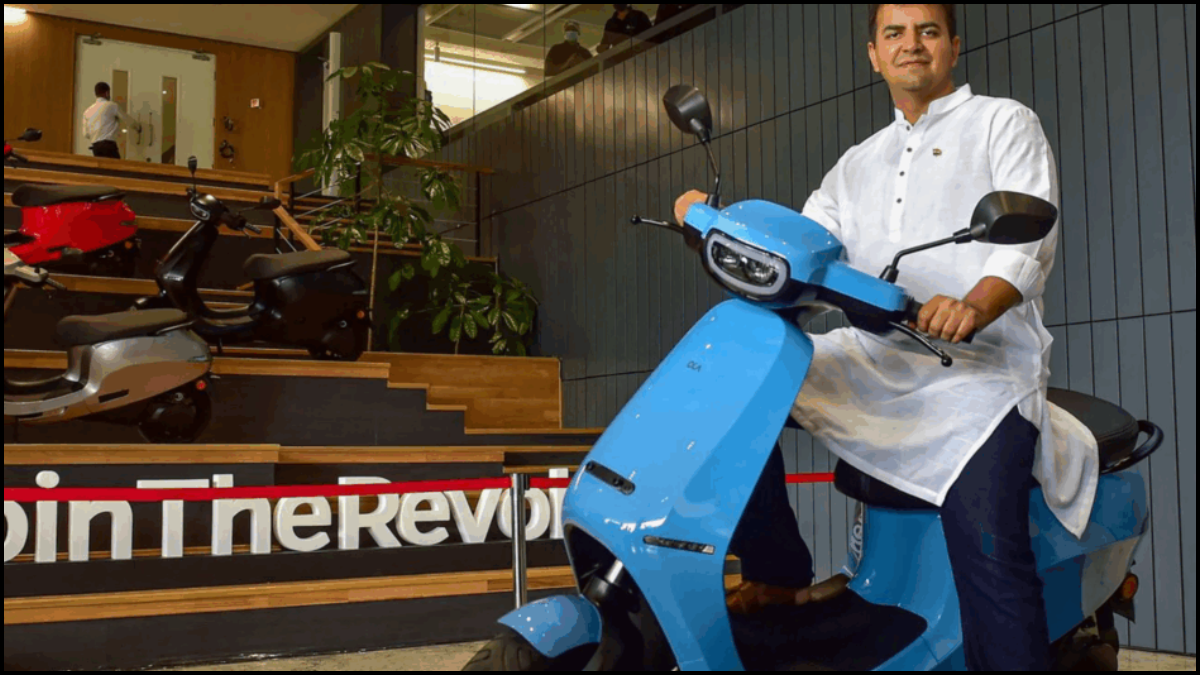
Ola e-Scooter banned in Goa after mounting customer complaints about service delays and registration issues. Learn why the Goa Transport Department suspended sales, how customers reacted, and what this means for the electric vehicle industry in India.
Ola e-Scooter Banned: A Wake-Up Call for the EV Industry
The recent news of Ola e-Scooter banned in Goa has sent shockwaves across the Indian electric vehicle market. Ola Electric, one of India’s most popular electric two-wheeler manufacturers, is under scrutiny following numerous complaints related to poor service quality, delayed documentation, and lack of customer support in Goa.
The temporary sales suspension imposed by the Goa Transport Department highlights a deeper issue: the need for stronger after-sales infrastructure and accountability within the EV sector. The Ola e-Scooter ban has become a major talking point, reflecting the growing challenges faced by emerging electric vehicle brands struggling to meet customer expectations.
Why the Ola e-Scooter Was Banned in Goa
The Ola e-Scooter banned in Goa incident was primarily triggered by consumer frustration over inefficient service systems and documentation lapses. Numerous Ola scooter owners reported severe delays in obtaining their Registration Certificates (RCs), despite repeated follow-ups with the company. Others faced long wait times for repairs, spare parts, and warranty claims due to the absence of sufficient authorized service centers in the state.
In response, a group of frustrated customers organized a meeting with the Transport Director in Panjim, where they presented a formal memorandum outlining these grievances. The memorandum specifically noted that Ola Electric’s weak service network and lack of prompt communication had caused significant inconvenience for owners who invested in the brand’s promise of sustainable mobility.
The Ola e-Scooter ban is now being viewed as an example of regulatory intervention in favor of customer rights and consumer satisfaction.
Transport Department’s Decision on the Ola e-Scooter Ban
Following the public outcry, the Goa Transport Department decided to temporarily halt Ola Electric’s sales operations. Officials explained that the Ola e-Scooter ban in Goa was necessary until the company could address its after-sales issues and improve service accessibility.
A senior government official clarified that this move was not meant to discourage EV adoption but to ensure that manufacturers adhere to customer service commitments. The department is now reviewing Ola’s response strategy, documentation practices, and compliance with registration norms.
Authorities stressed that future clearances will depend on Ola Electric demonstrating improvements in service efficiency, user communication, and transparency. The Ola e-Scooter ban serves as a reminder that regulatory oversight will play a growing role in maintaining consumer protection standards within the Indian EV ecosystem.
Ola Electric’s Declining Sales and Market Pressure
The Ola e-Scooter banned in Goa decision comes at a time when Ola Electric is already facing declining sales across several markets. Analysts report that the company’s monthly sales have dropped by nearly 60% over the past quarter.
Experts attribute this decline to factors such as quality concerns, patchy service infrastructure, and increased competition from newer EV brands offering better customer engagement. With the Ola e-Scooter ban now in effect, the brand faces additional challenges in restoring consumer trust and sustaining its leadership position in India’s electric mobility market.
The company will need to focus on expanding its service network, ensuring timely delivery of registration documents, and maintaining a robust customer assistance framework to recover from this reputational hit.
Customer Sentiment and Public Reactions
Customer testimonies paint a picture of growing frustration leading up to the Ola e-Scooter banned in Goa. Many buyers praised the scooter’s design and performance but criticized its lack of service reliability.
Owners described waiting months for RC documentation or software updates, with minimal customer support available across Goa. Some even resorted to traveling long distances outside the state to access basic repairs or battery replacements.
These issues created dissatisfaction and distrust among users, compelling them to unite and demand government intervention. As complaints mounted, the Ola e-Scooter ban was seen as an inevitable outcome of poor customer relationship management.
Broader Implications of the Ola e-Scooter banned
The Ola e-Scooter banned announcement has implications that extend far beyond Goa. It serves as a stern warning to all EV manufacturers in India about the importance of delivering consistent post-sale service.
The electric vehicle market is expanding rapidly, and while innovation and sustainability are strong selling points, customer experience remains the ultimate measure of success. If companies like Ola fail to meet after-sales expectations, they risk losing credibility in a highly competitive sector.
The Ola e-Scooter ban in Goa may prompt other states to scrutinize electric vehicle brands more closely, ensuring better accountability, operational standards, and customer support mechanisms across India.
For the EV industry as a whole, this event highlights a crucial lesson: the push for electrification must be accompanied by investments in service infrastructure, technical support, and transparent communication with customers.
The Way Forward for Ola Electric
Ola Electric now faces the task of regaining trust and meeting regulatory requirements to lift the Ola e-Scooter banned. The company must demonstrate tangible improvements in customer service and documentation processing to resume sales in Goa.
If successful, Ola could turn this setback into a valuable opportunity to strengthen its service systems and reinforce customer confidence nationwide. Addressing these pain points will be crucial for the company’s rebound and for maintaining leadership in India’s competitive EV landscape.
Frequently Asked Questions (FAQs)
1. Why was the Ola e-Scooter banned in Goa?
The Ola e-Scooter ban in Goa resulted from customer complaints over delayed RC documentation, poor service delivery, and a shortage of authorized service centers.
2. Is the Ola e-Scooter banned permanent?
No, the Ola e-Scooter ban is temporary. Sales may resume once the company resolves service issues and meets compliance requirements set by the Goa Transport Department.
Also Read : New Hyundai Venue – Features, Safety, Design, Interior, Specifications Revealed
3. How does the ban affect existing Ola owners?
Current owners can continue using their scooters but may experience service delays until the company expands its support infrastructure.
4. Will other states take similar action?
While currently limited to Goa, other states could impose restrictions if similar customer service problems arise.
5. What lessons can be learned from the ban?
The Ola e-Scooter ban underscores that after-sales service, proper communication, and transparent documentation are vital for sustaining long-term EV growth in India.